All Categories
Featured
:max_bytes(150000):strip_icc()/top-5-reasons-people-go-bankrupt.aspxFinal-684c33c2c4734236ac89c48b270d842e.jpg)
Analyzing Legal Lawyer Costs
That's you. If you are overwhelmed with debt, make sure you consider all financial obligation relief alternatives and identify what's best for you.
As we enter 2026, the insolvency landscape is prepared for to shift in methods that will significantly impact lenders this year. After years of post-pandemic unpredictability, filings are climbing up progressively, and financial pressures continue to affect customer behavior. Throughout a recent Ask a Pro webinar, our specialists, Investor Milos Gvozdenovic and Lawyer Garry Masterson, weighed in on what loan providers ought to anticipate in the coming year.
Finding Your Financial Footing in TexasThe most prominent pattern for 2026 is a continual boost in insolvency filings. While filings have actually not reached pre-COVID levels, month-over-month growth suggests we're on track to surpass them soon.
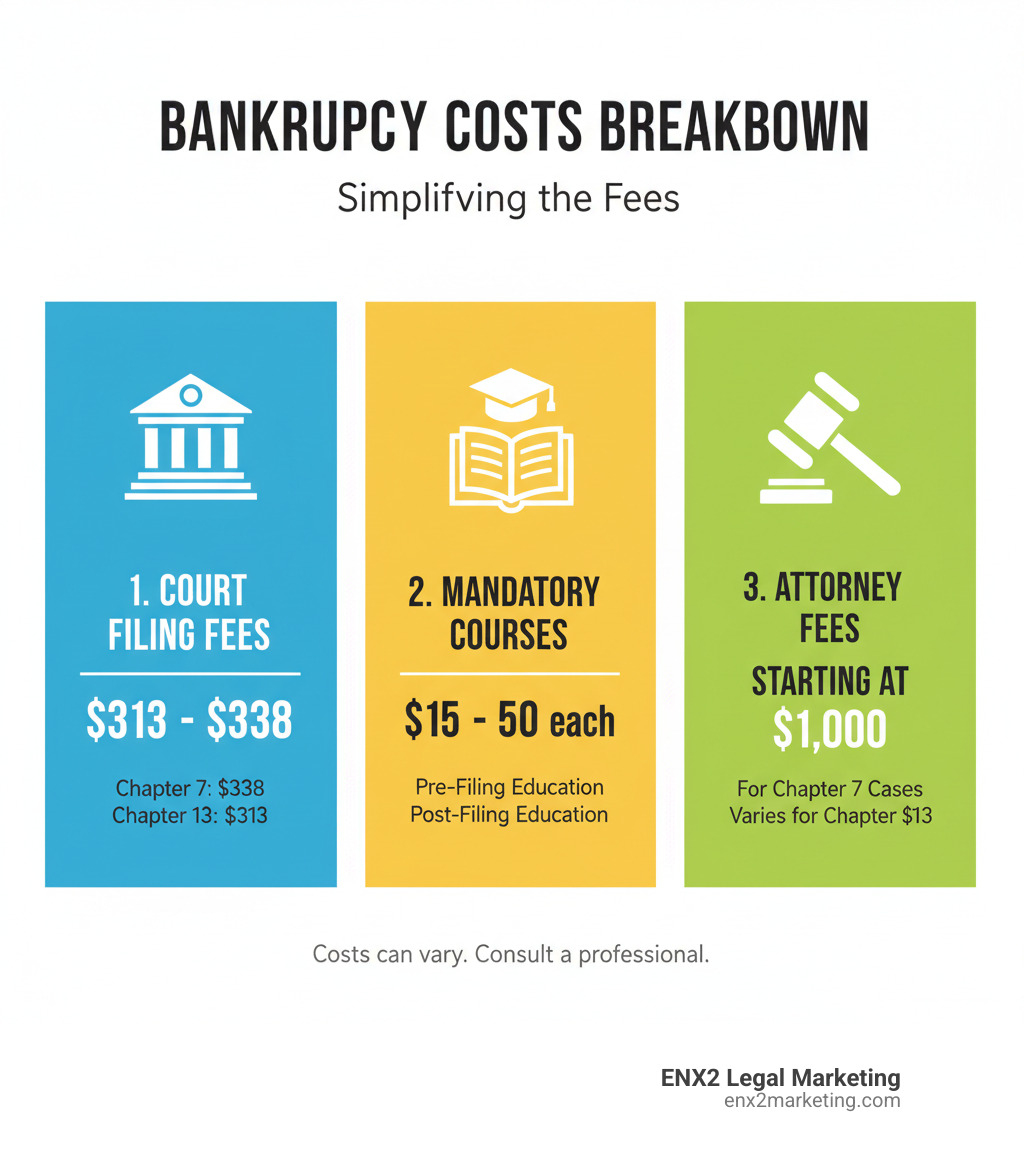
A Guide to 2026 Bankruptcy Fees
While chapter 13 filings continue to heighten, chapter 7 filings, the most typical kind of customer bankruptcy, are anticipated to control court dockets. This pattern is driven by consumers' absence of disposable income and installing financial pressure. Other crucial drivers include: Relentless inflation and elevated rate of interest Record-high credit card debt and diminished savings Resumption of federal trainee loan payments Despite current rate cuts by the Federal Reserve, rate of interest stay high, and loaning expenses continue to climb up.
Indicators such as consumers using "buy now, pay later" for groceries and surrendering recently acquired lorries demonstrate monetary stress. As a financial institution, you might see more foreclosures and vehicle surrenders in the coming months and year. You should also get ready for increased delinquency rates on vehicle loans and home loans. It's also crucial to carefully keep an eye on credit portfolios as debt levels stay high.
We predict that the real effect will hit in 2027, when these foreclosures relocate to completion and trigger bankruptcy filings. Rising real estate tax and homeowners' insurance costs are already pushing newbie delinquents into monetary distress. How can financial institutions stay one step ahead of mortgage-related personal bankruptcy filings? Your group should complete a comprehensive review of foreclosure processes, procedures and timelines.
Many upcoming defaults might develop from formerly strong credit segments. Over the last few years, credit reporting in insolvency cases has actually turned into one of the most controversial topics. This year will be no various. It's essential that creditors stand company. If a debtor does not declare a loan, you need to not continue reporting the account as active.
Here are a couple of more finest practices to follow: Stop reporting released debts as active accounts. Resume normal reporting just after a reaffirmation contract is signed and submitted. For Chapter 13 cases, follow the plan terms carefully and consult compliance groups on reporting commitments. As customers become more credit savvy, mistakes in reporting can lead to disagreements and prospective lawsuits.
Choosing Between Chapter 7 or 13 in 2026
These cases frequently produce procedural issues for financial institutions. They can even miss out on essential court hearings. Again, these issues add complexity to bankruptcy cases.
Some recent college graduates might handle commitments and resort to personal bankruptcy to handle general debt. The takeaway: Creditors should prepare for more complicated case management and consider proactive outreach to customers dealing with significant monetary stress. Lien perfection stays a significant compliance threat. The failure to best a lien within 30 days of loan origination can result in a lender being dealt with as unsecured in insolvency.
Our team's suggestions consist of: Audit lien excellence processes routinely. Preserve documents and proof of timely filing. Consider protective measures such as UCC filings when delays take place. The insolvency landscape in 2026 will continue to be shaped by economic uncertainty, regulatory examination and progressing consumer habits. The more prepared you are, the simpler it is to browse these difficulties.
By preparing for the trends pointed out above, you can mitigate exposure and preserve functional strength in the year ahead. If you have any concerns or concerns about these predictions or other personal bankruptcy subjects, please connect with our Personal Bankruptcy Recovery Group or contact Milos or Garry directly whenever. This blog is not a solicitation for company, and it is not intended to constitute legal guidance on specific matters, create an attorney-client relationship or be lawfully binding in any method.

Latest Posts
Essential Bankruptcy Support Resources for 2026 Filers

Chapter 7 and Chapter 13
Total Lawyer Fees for 2026