All Categories
Featured
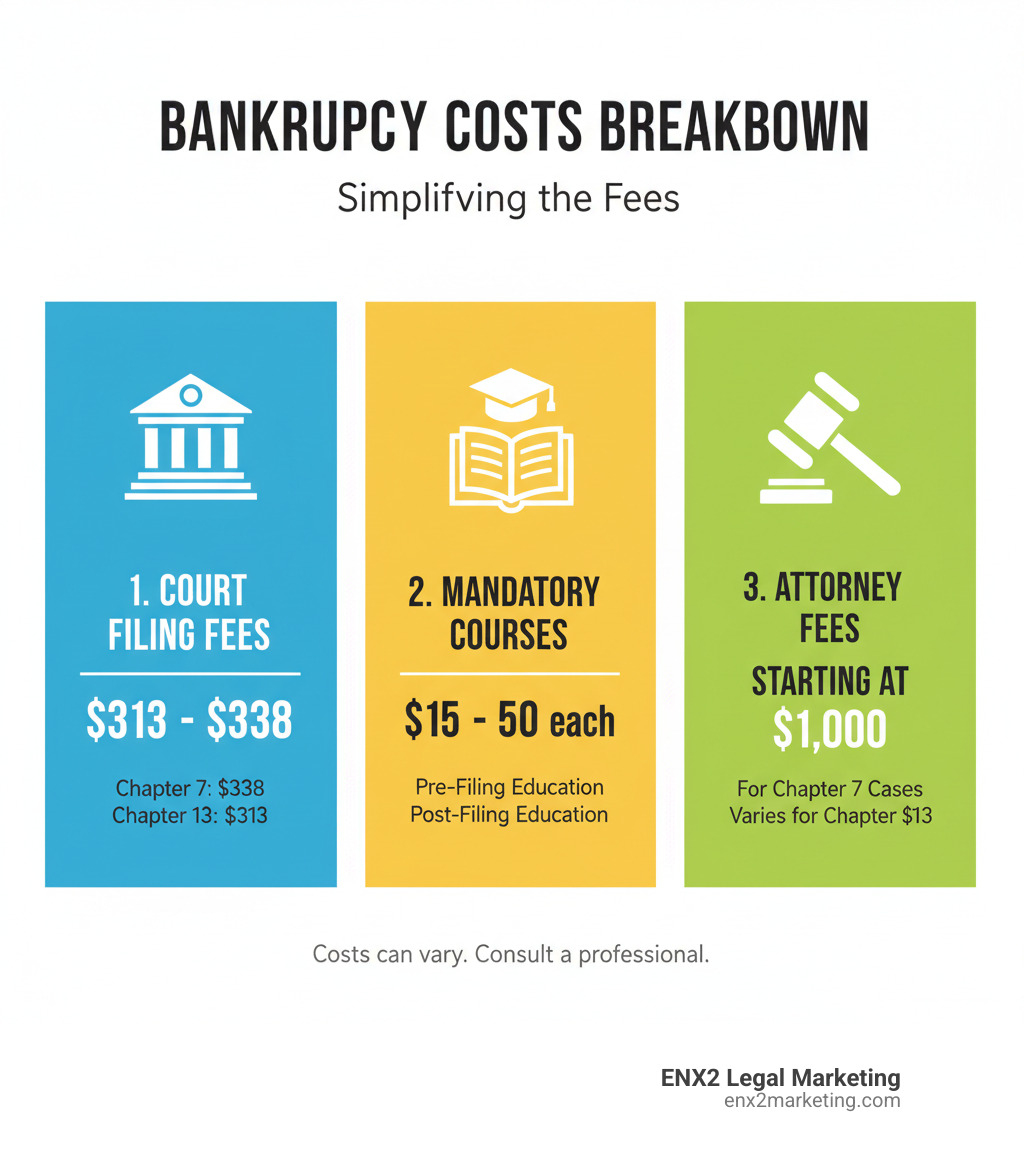

Reviewing Legal Lawyer Costs for 2026
Table of Contents
Residential construction and housebuilders are likewise exposed as rising home mortgage rates moisten demand and slow brand-new projects. 5 Product cost volatility and leveraged financing structures increase vulnerability, particularly for midstream energy operators and makers based on international trade. Fitch's outlook for Latin American midstream energy and European engineering and building and construction remains neutral for 2026, indicating restricted recovery prospects.
college institutions as sectors dealing with persistent monetary pressure. Rising labor expenses, regulative compliance expenditures, and decreasing enrollment rates contribute to mounting operational challenges. 7 These organizations often operate with thin margins and restricted flexibility, making them prone to liquidity shocks. Moody's alerts that low openness and high leverage in private credit markets pose systemic risks.
In summary, the outlook for 2026 suggests that personal bankruptcy threat will remain focused in sectors sensitive to rate of interest, consumer need, and global trade dynamics. Retail, casual dining, property, energy, healthcare, higher education, and non-bank financing are amongst the most exposed. Regardless of company size, ownership structure, or market, all businesses need to take part in an annual tactical preparation process which consists of a comprehensive examination of near- and long-term risks and general organizational health.
Key Changes in the Federal Bankruptcy Landscape
The understanding of the company's strengths and weak points will enable management to align resources to optimize shipment to clients and strengthen competitive advantages in the market. Analyzing the market addresses the question of how the industry's client base is altering, and whether the current plan is well matched to the most essential concerns of the high-growth and or high-profit sectors.
Tactically attending to a business's competitors involves more than just acknowledging rivalsit's about utilizing competitive insights to form the positioning, messaging, and long-lasting technique. A business's competitive benefits must be compelling adequate to conquer those of its competitors. Even when a business sells items that are commoditized, it can have competitive benefits.
The earlier problems are recognized and dealt with, the more options a business will have. Depending on the level of distress, in addition to other internal and external aspects, a having a hard time service may have a number of different approaches available besides applying for bankruptcy. Proactive Performance Enhancement Projects Companies may benefit from the support of a company performance enhancement group to help determine inefficiencies and chances for development.
Out-of-Court Restructuring For lots of services in significant distress, an out-of-court procedure may still be a feasible alternative to personal bankruptcy. In general, out-of-court restructuring processes can be achieved with less cost and in a shorter quantity of time than bankruptcy while delivering favorable results for stakeholders. Insolvency If an out-of-court option is not readily available or preferred for some reason, a skilled financial consultant can provide assistance through insolvency.
Reviewing Bankruptcy Lawyer Fees for 2026Capstone's Financial Advisory Services group offers a variety of services, throughout the full organization lifecycle, created to assist entrepreneurs, financiers, and stakeholders resolve the source of distress. Our groups have assisted struggling companies create a course back to profitability and have actually helped healthy business design and carry out long-term strategic strategies for growth.
Comparing Chapter 7 vs 13 under 2026 Laws
Contact us if you have concerns or if you wish to talk to a member of our team about your particular concerns. Overall Insolvency Filings Increase 14% The 644 business Chapter 11 bankruptcy filings in April 2026 represented a 42% boost over the 454 filings tape-recorded in April 2025, according to data provided by Epiq AACER, the leading company of United States personal bankruptcy filing data. Secret April 2026 information include: 3060 total industrial filings, a 21% increase from April 2025 (2520 ).
"These trends are more compounded by a 26% surge in foreclosure filings in Q1 2026. Greater gas costs are straining consumer items and family spending plans, while continued home gratitude is pushing up home taxes and property owners' insurance coverage expenses.
Out-of-Court Restructuring For numerous businesses in significant distress, an out-of-court procedure might still be a viable alternative to personal bankruptcy. In basic, out-of-court restructuring processes can be accomplished with less expense and in a shorter quantity of time than bankruptcy while providing positive results for stakeholders. Insolvency If an out-of-court option is not offered or preferred for some reason, a skilled financial consultant can supply support through personal bankruptcy.
Capstone's Financial Advisory Solutions group provides a variety of services, across the full company lifecycle, designed to assist organizations owners, financiers, and stakeholders resolve the source of distress. Our teams have helped struggling organizations produce a course back to profitability and have helped healthy companies style and implement long-term strategic strategies for development.
Contact us if you have questions or if you want to speak with a member of our team about your particular issues. Total Insolvency Filings Increase 14% The 644 commercial Chapter 11 personal bankruptcy filings in April 2026 represented a 42% boost over the 454 filings tape-recorded in April 2025, according to information provided by Epiq AACER, the leading provider of United States insolvency filing information. Secret April 2026 information include: 3060 total commercial filings, a 21% boost from April 2025 (2520 ).
Hiring the Best Bankruptcy Attorney for 2026 Claims
"These patterns are more compounded by a 26% rise in foreclosure filings in Q1 2026. Higher gas prices are straining customer items and household budgets, while continued home appreciation is pushing up residential or commercial property taxes and property owners' insurance coverage costs.

Latest Posts
Essential Bankruptcy Support Resources for 2026 Filers

Chapter 7 and Chapter 13

Total Lawyer Fees for 2026